Use these answers as a quick guide before selecting a pump. Final pump selection should always be checked against the pump curve and system requirements.
What size water pump do I need?
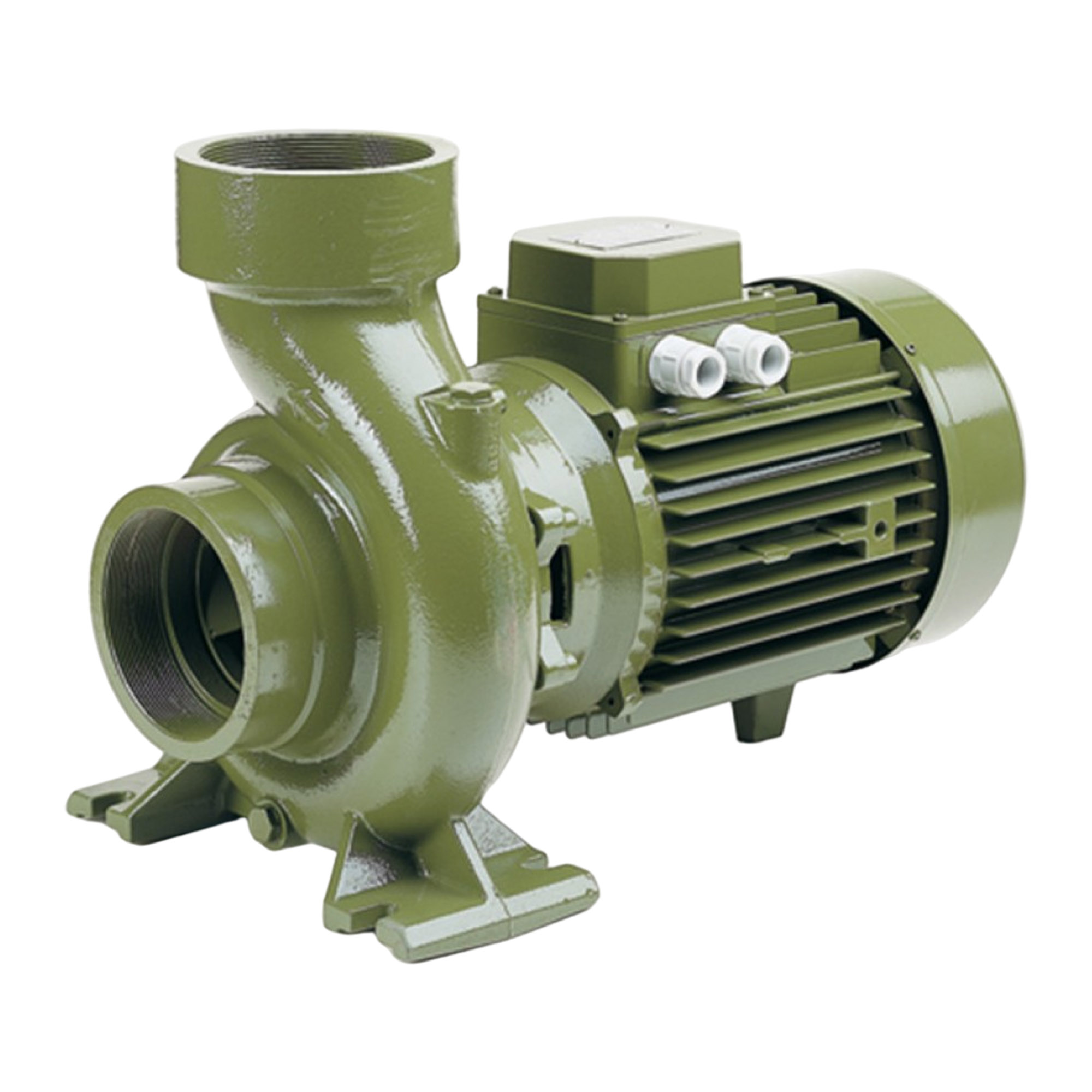
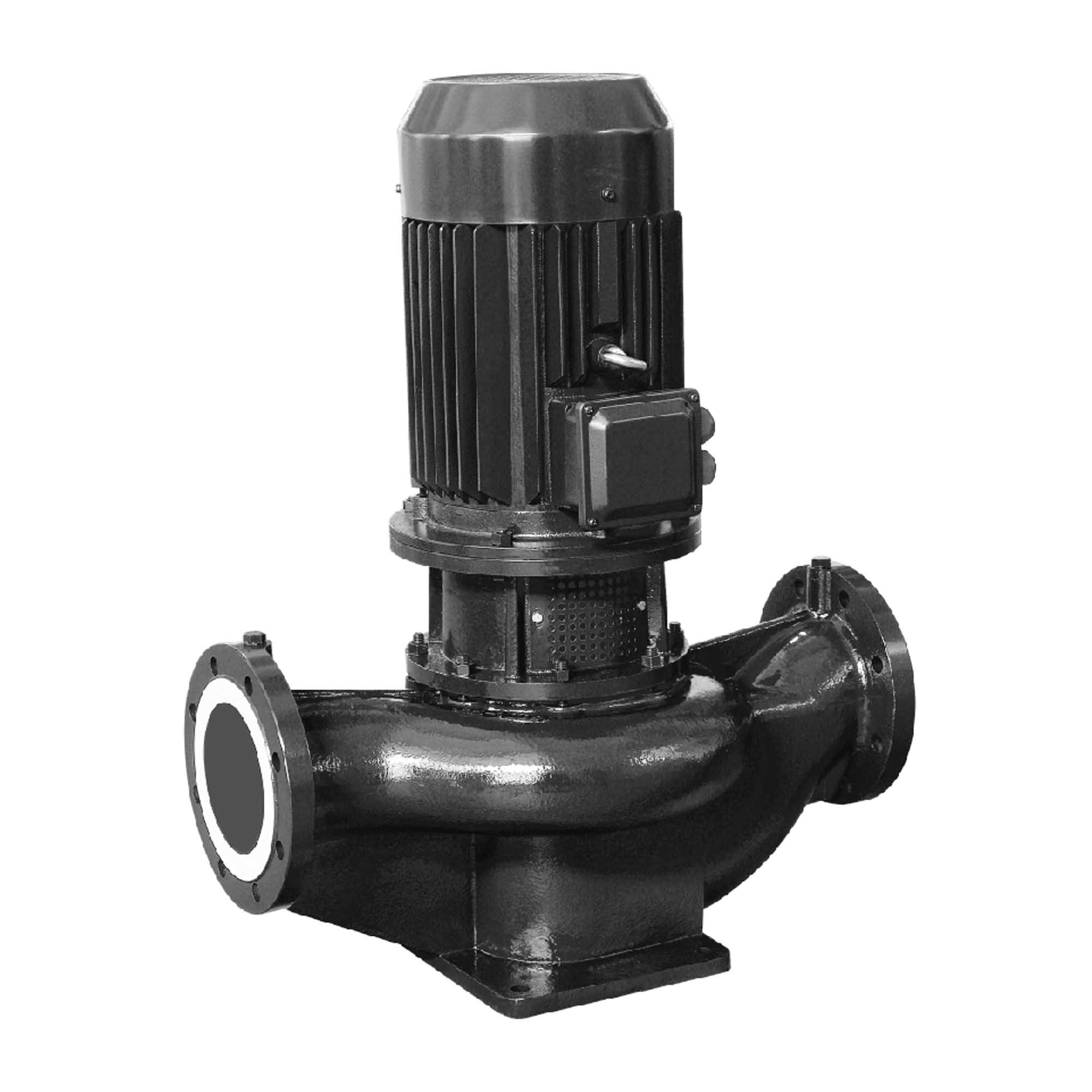
The correct pump size depends on the required flow rate, measured in GPM, and the total dynamic head, measured in feet. A pump should be selected to deliver the required GPM at the required head. This tool helps estimate those numbers for wells, irrigation systems, booster pumps, transfer pumps, and drainage applications.
How do I calculate pump head?
Pump head includes pressure requirement, vertical lift, elevation rise, friction loss from pipe length, and losses from elbows or fittings. A common conversion is 1 PSI = approximately 2.31 feet of head. For example, 45 PSI equals about 104 feet of head before adding elevation and friction loss.
What is total dynamic head?
Total dynamic head, also called TDH, is the total resistance the pump must overcome. It includes pressure head, vertical lift, elevation, pipe friction, fittings, valves, and system losses. Pump curves are normally read using GPM and TDH.
What is GPM in pump sizing?
GPM means gallons per minute. It is the flow rate required by the system. A sprinkler system may need 18 GPM, a house booster system may need 10 to 30 GPM, and larger buildings may require much more depending on the number of units, bathrooms, floors, and fixtures.
How do I size a sprinkler pump?
For irrigation systems, size the pump based on the largest zone running at one time. Multiply the number of sprinkler heads in the largest zone by the GPM per head. Then add the required sprinkler pressure, distance to the furthest zone, elevation rise, pipe size, and fittings.
How do I size a submersible well pump?
A well pump is sized using required GPM, desired pressure, static water level, drawdown, pipe length, well casing diameter, and elevation. The pump does not only need to match the well depth; it must deliver the required GPM at the calculated total dynamic head.
What is static water level?
Static water level is the depth from ground level to the water level inside the well when the pump is not running. This is important because it helps calculate how far the pump must lift water before pressure and friction losses are added.
What is water drawdown?
Drawdown is how much the water level drops while the pump is running. For example, if static water level is 50 feet and pumping water level drops to 70 feet, the drawdown is 20 feet. Static water level plus drawdown gives a better estimate of pumping lift.
How do I size a booster pump for a house?
A booster pump for a house is usually sized by estimating the required flow based on bedrooms, bathrooms, square footage, number of floors, and desired pressure. If city water already has incoming pressure, that pressure is subtracted from the required pressure to calculate the boost needed.
How do I size a booster pump for a building?
For a building, pump sizing depends on the number of floors, number of units per floor, average bathrooms per unit, incoming water pressure, pipe size, and elevation. Taller buildings usually require more pressure because each floor adds elevation head.
What pressure should a house water system have?
Many residential systems are designed around 40 to 60 PSI, depending on the application and local plumbing requirements. Booster pumps are commonly used when city water pressure or well system pressure is not enough for the house or building.
What horsepower pump do I need?
Horsepower depends on flow rate, total dynamic head, and pump efficiency. Higher GPM and higher head usually require more horsepower. The estimated horsepower from this tool should be used as a starting point and confirmed with the manufacturer pump curve.
Why does pipe size matter?
Pipe size affects water velocity and friction loss. Smaller pipe can create higher friction loss, which increases total dynamic head and may require a larger pump. Choosing the right pipe size improves efficiency and helps the pump operate closer to its best performance range.
Should I choose a pressure tank or constant pressure system?
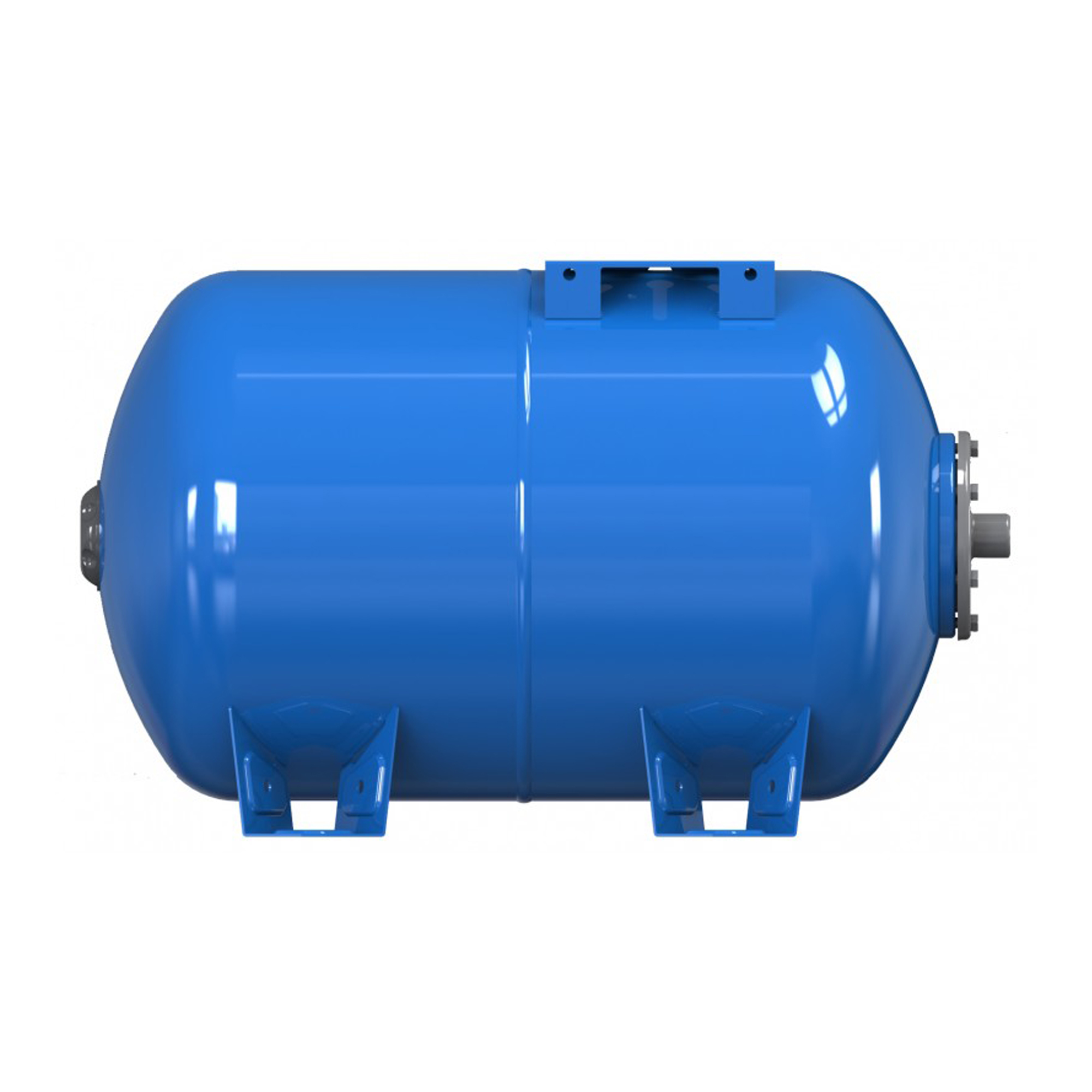
A pressure tank with a pressure switch is a common and simple setup for many well and booster systems. A constant pressure or variable speed system can provide smoother pressure and better comfort, especially for homes or buildings with changing water demand.
Can this tool give me the final pump selection?
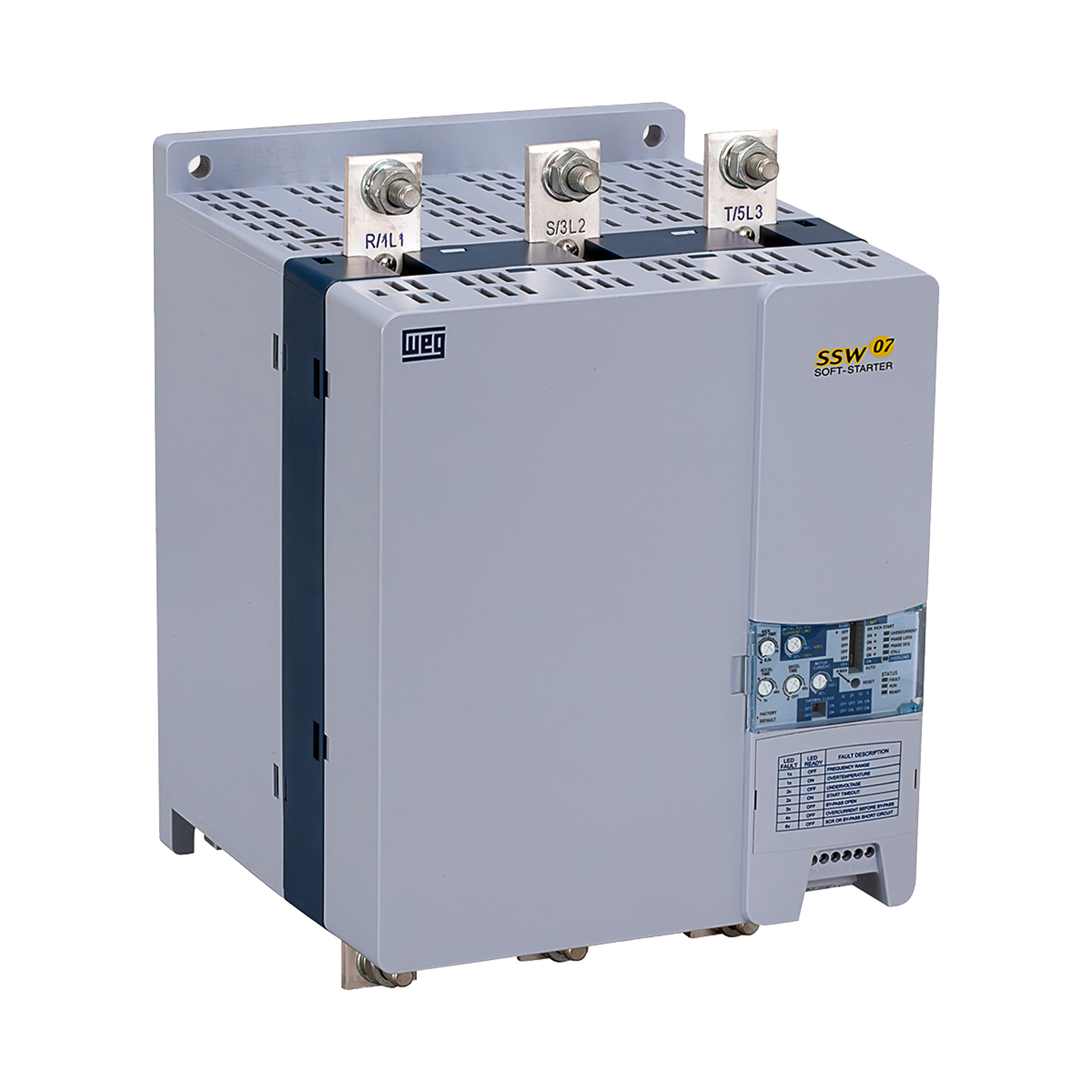
This tool gives a quick sizing estimate and helps you find a starting point. Final pump selection should confirm the pump curve, liquid type, voltage, phase, pipe layout, suction conditions, control method, installation conditions, and local code requirements.
 Easy Selector

 +1 (786) 613-5872
